Love+ Loss
Interactive installation created as part of Somerset Art Weeks 2022
in response to the theme ‘Sanctuary’.
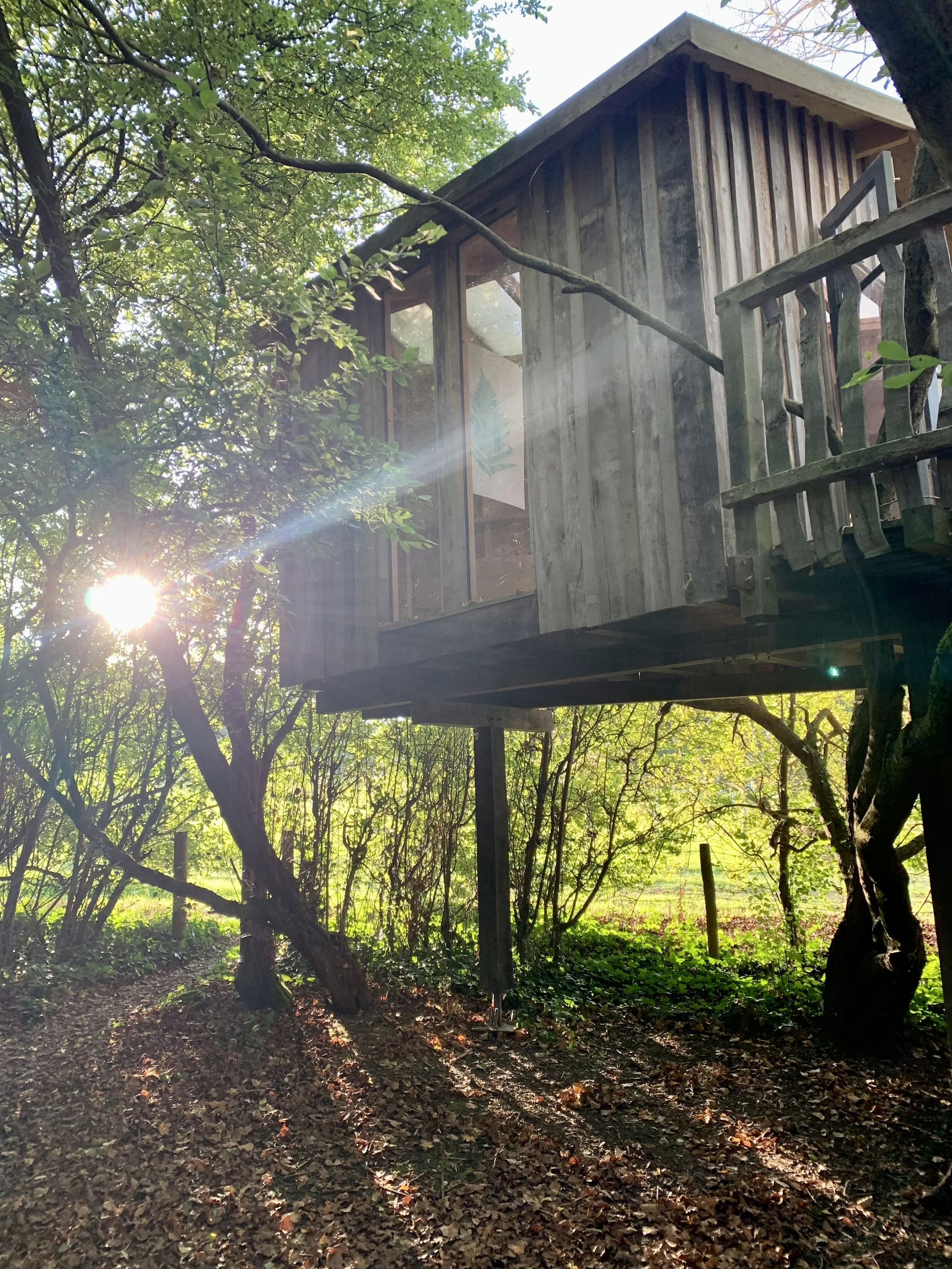
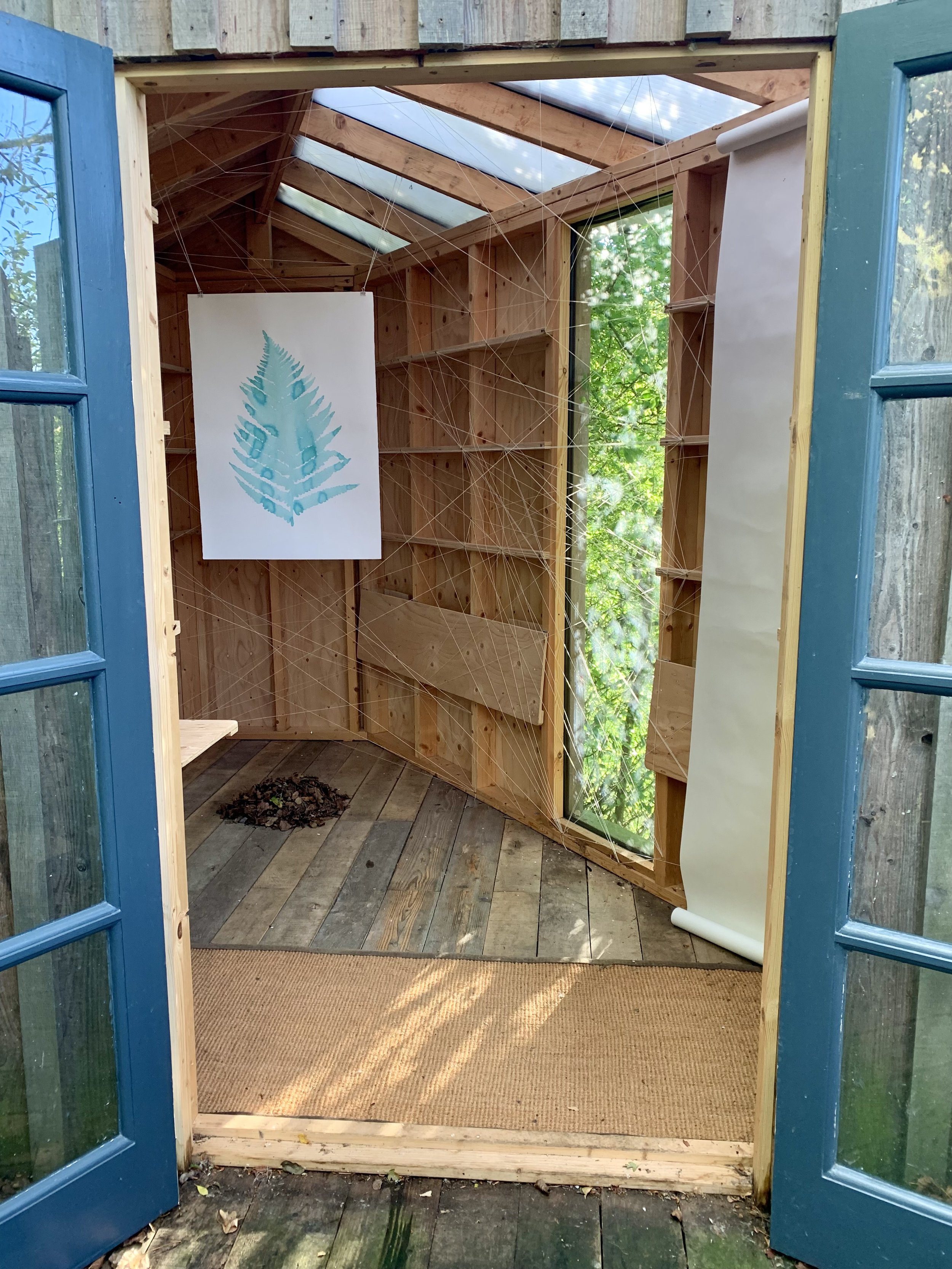
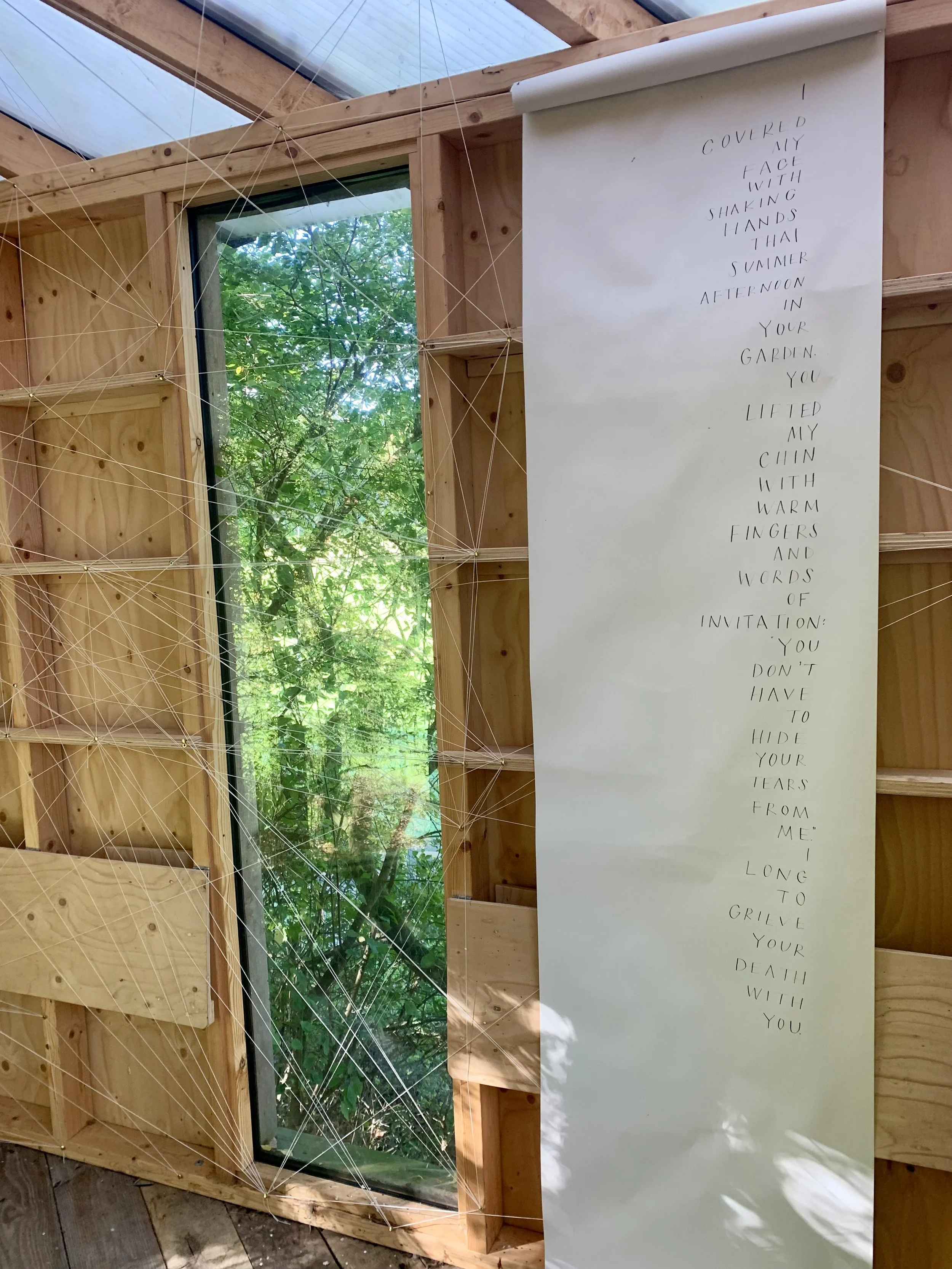
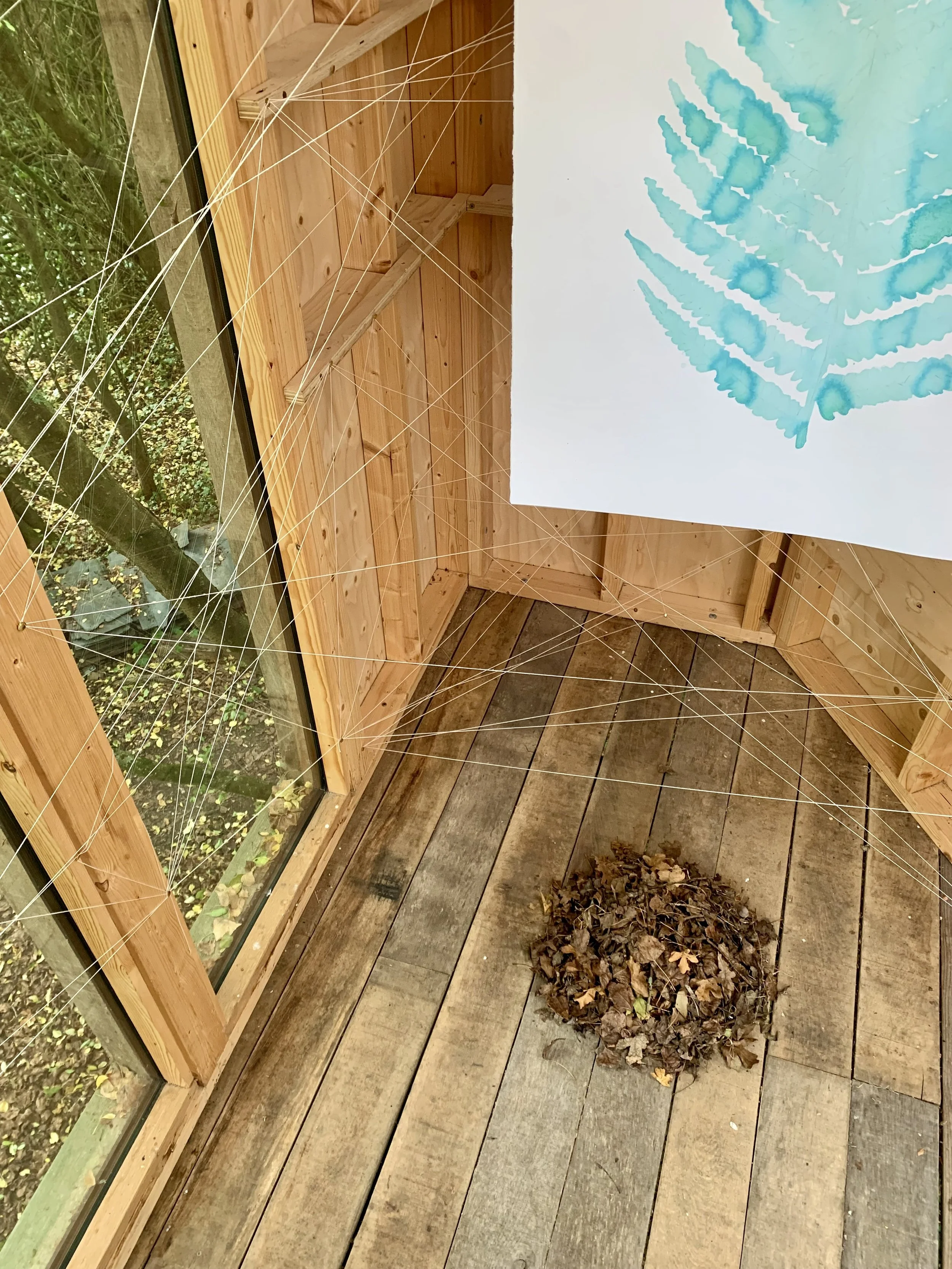
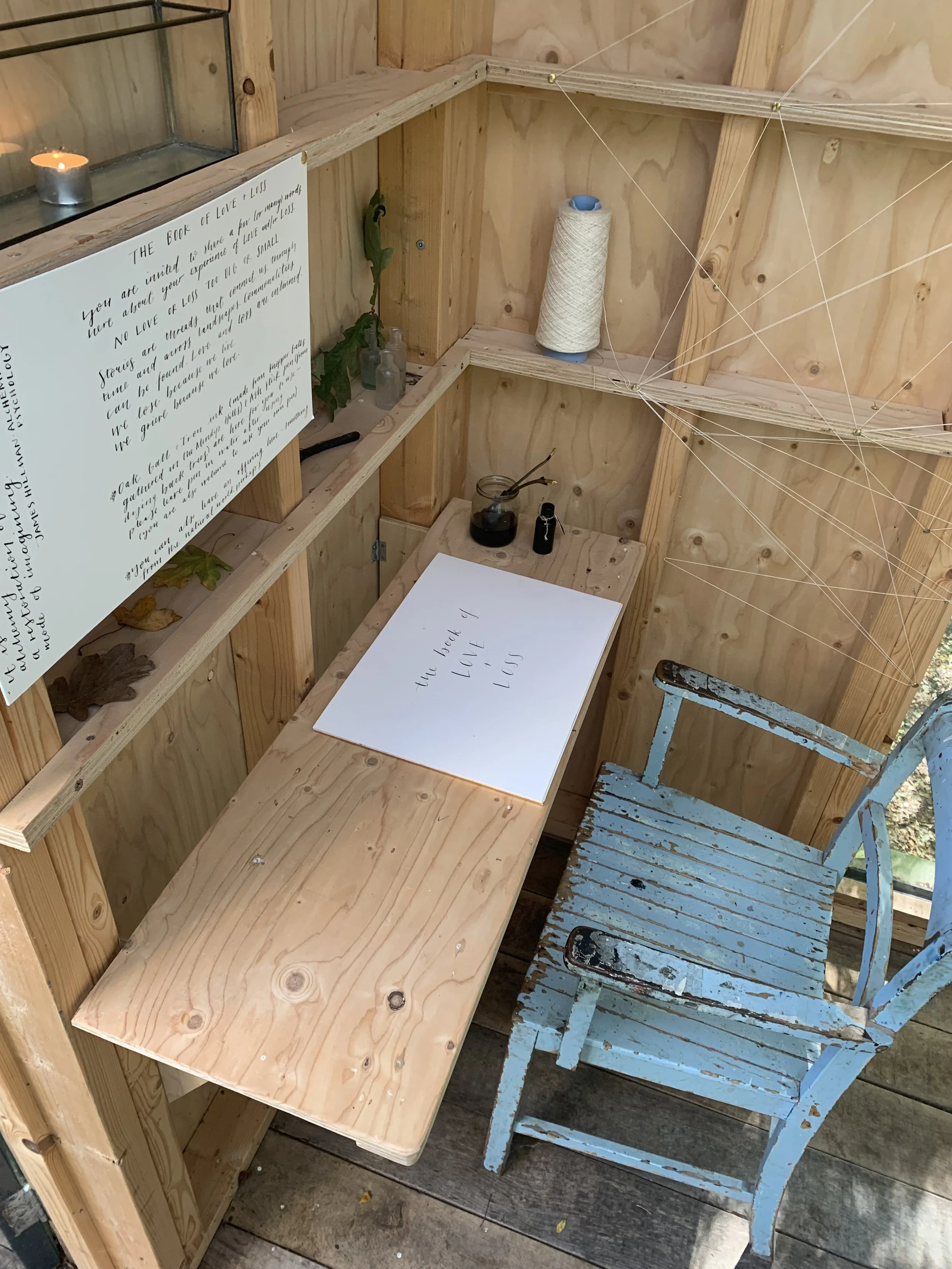
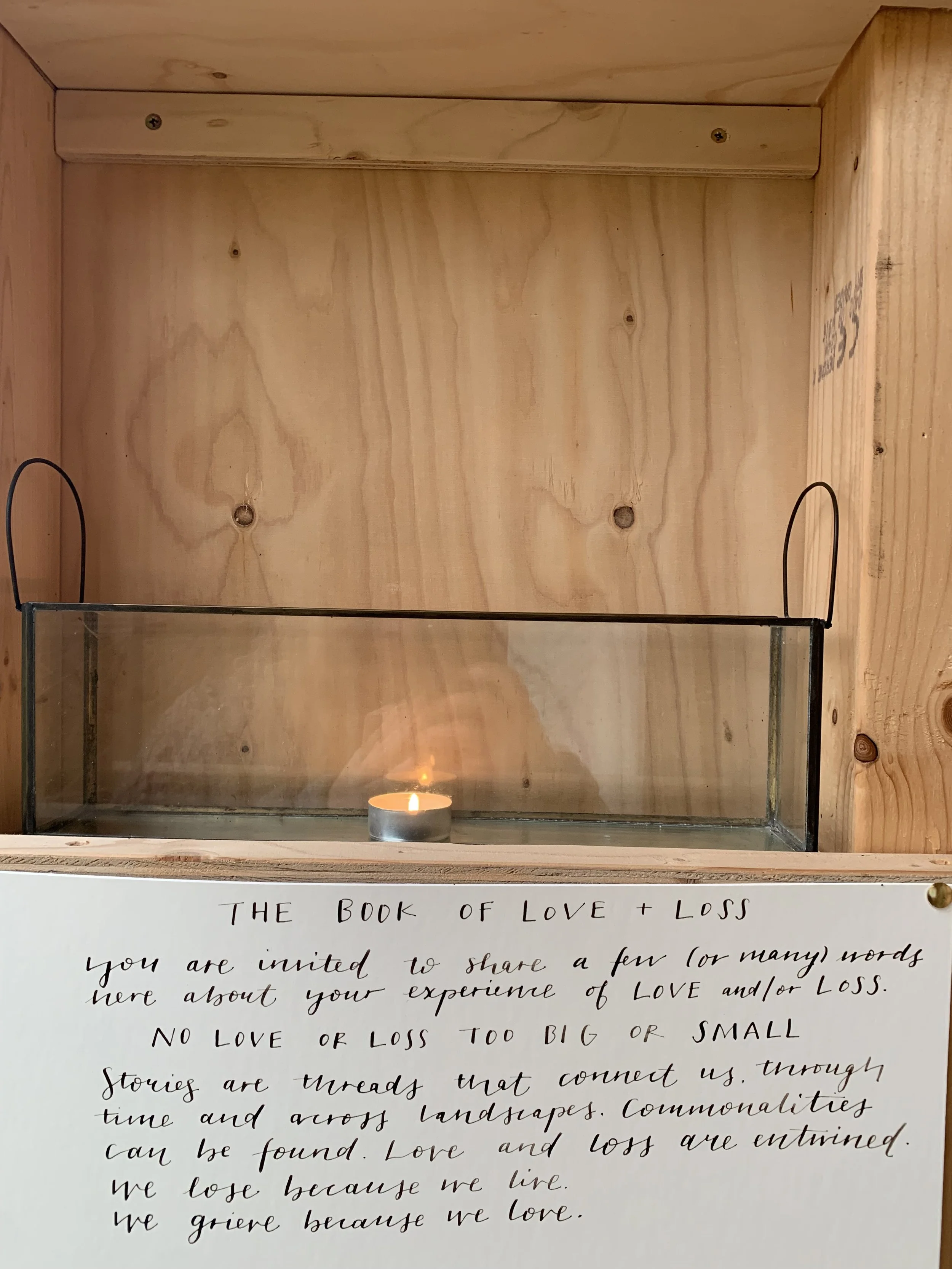
This site-sensitively devised piece was created as a response to the exhibition theme of Sanctuary. The Dove Studio Treehouse became a space for quiet reflection for visitors. The work contained Copper Pipe and Oak Gall ink work, leaves from the supporting trees, text, weaver's thread and a bottle of local oak gall ink with paper for written contributions on the theme of Love + Loss. This work holds the artistic processing of personal love and loss and invites others to engage gently with their experience of love and loss and offer their anonymous words and marks to The Book of Love and Loss.
Exploring the ongoing theme of alchemy within botanical ink making and personal grief work, this invitation to drop the socially prescribed guard of ‘ok/normal’ and touch the deeper humanity within us, brings attention to our suffering.
In a world of distraction and avoidance and spiritual bypassing, I am endlessly curious about the power of deep listening and attention. Of the queerness and inherently liminal and non-binary nature of this complexity. Of an understanding beyond words, that does not stay fixed and ‘understood’. Of the alchemy of attention and soul work, and Dharma/Buddhist practice, rooted in liberation for all abolitionism and systems thinking. A reckoning with systems of oppression, our unconscious biases, privileges, marginalisations and internalised phobias and viences. With gratitude to the teachings and inspiration of the work of Dr Báyò Akómoláfé, James Hillman, Lama Rod Owens, Toko-Pa Turner, Simone Grace Seoul, Layla F Saad, rev. angel Kyodo williams, Thomas Moore, among many others.
“If you can get a handle on it, it's probably a door.
I'm wary about doors.
And doorways.
Doors are anticipated architectural technologies. They grant access, they permit exits. What's critical to note about doors is that they maintain the logic of the architectural frame. Doors are systemic agents granting mobility within familiar fields. A building does not lose its integrity with doors. As such, like the solutions we often offer to our most persistent civilizational challenges, doors allow us to shuffle within the already-known, to move the pieces around in the name of innovation, while maintaining the design.
Doors 'behave'.
You know what doesn't 'behave'? Cracks (I prefer to 'represent' cracks in backslashes, like so - \cracks\ - as if to caution the reader about making an idol out of them, as if to warn the theorist to approach 'them' with reverence, as if to indicate that 'they' don't follow syntactical and grammatical rules that govern sentences and expression). Architects don't design \cracks\, don't anticipate \cracks\. \cracks\ are not part of the furniture; they are the excessiveness of the frame. Design's ecstasy. They are neither external to the frame nor internal. They are not 'solutions', not guarantees, not final answers. But something about 'them' marks deterritorializing tensions, and obliquely trace out new realities.”
“It is not the literal return to alchemy that is necessary but a restoration of the alchemical mode of imagining.”
- James Hillman. Alchemical Psychology
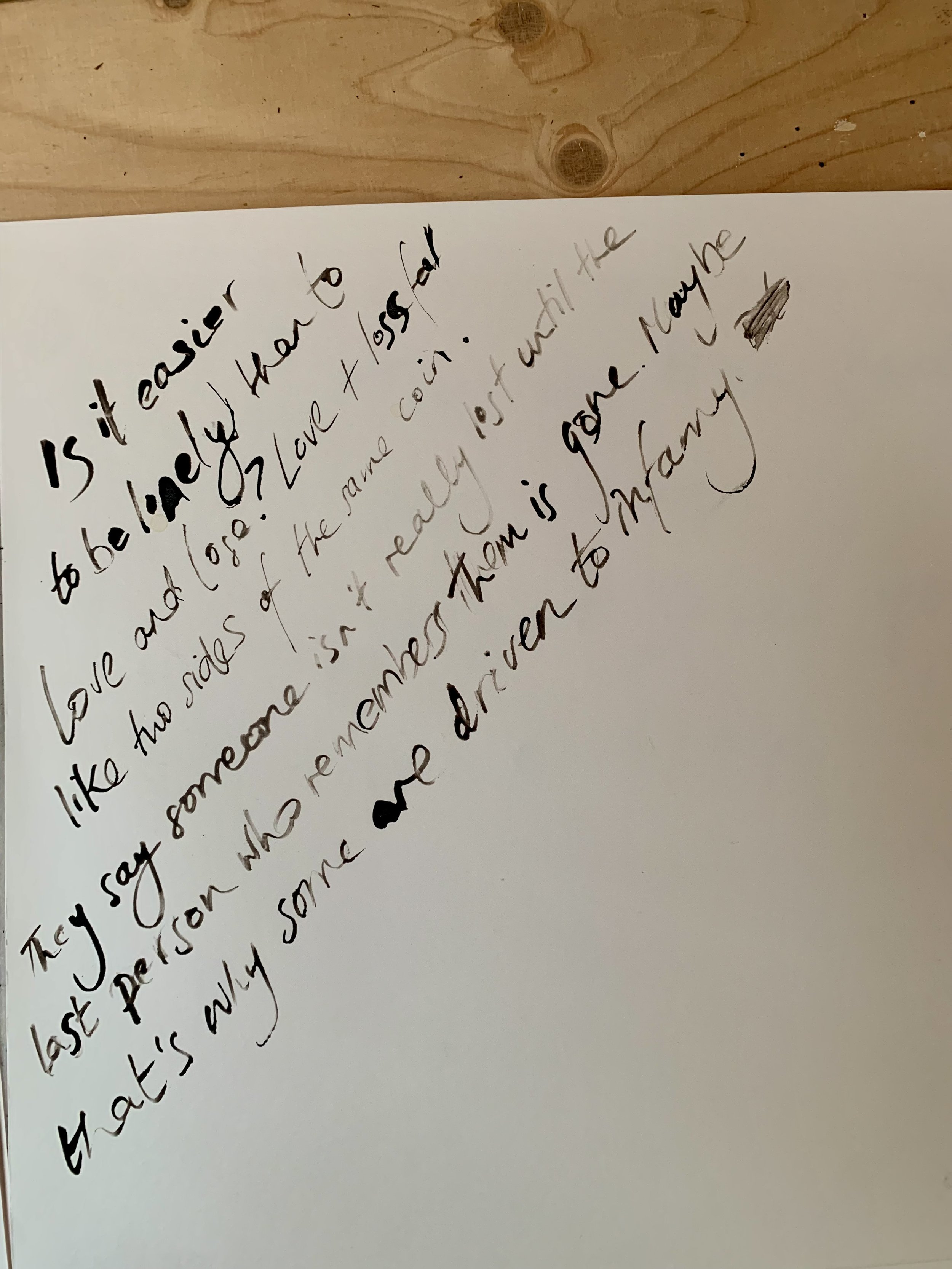
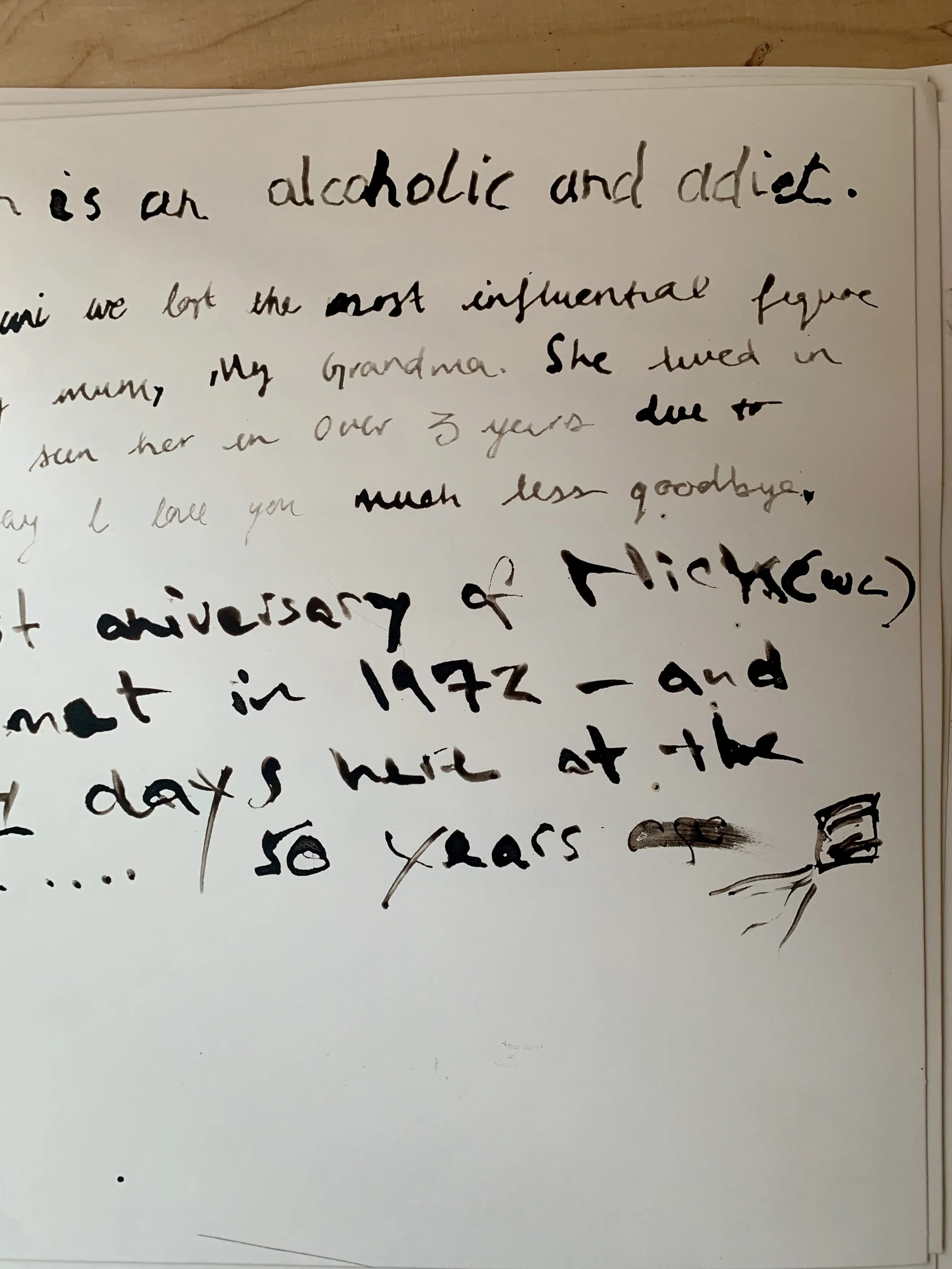
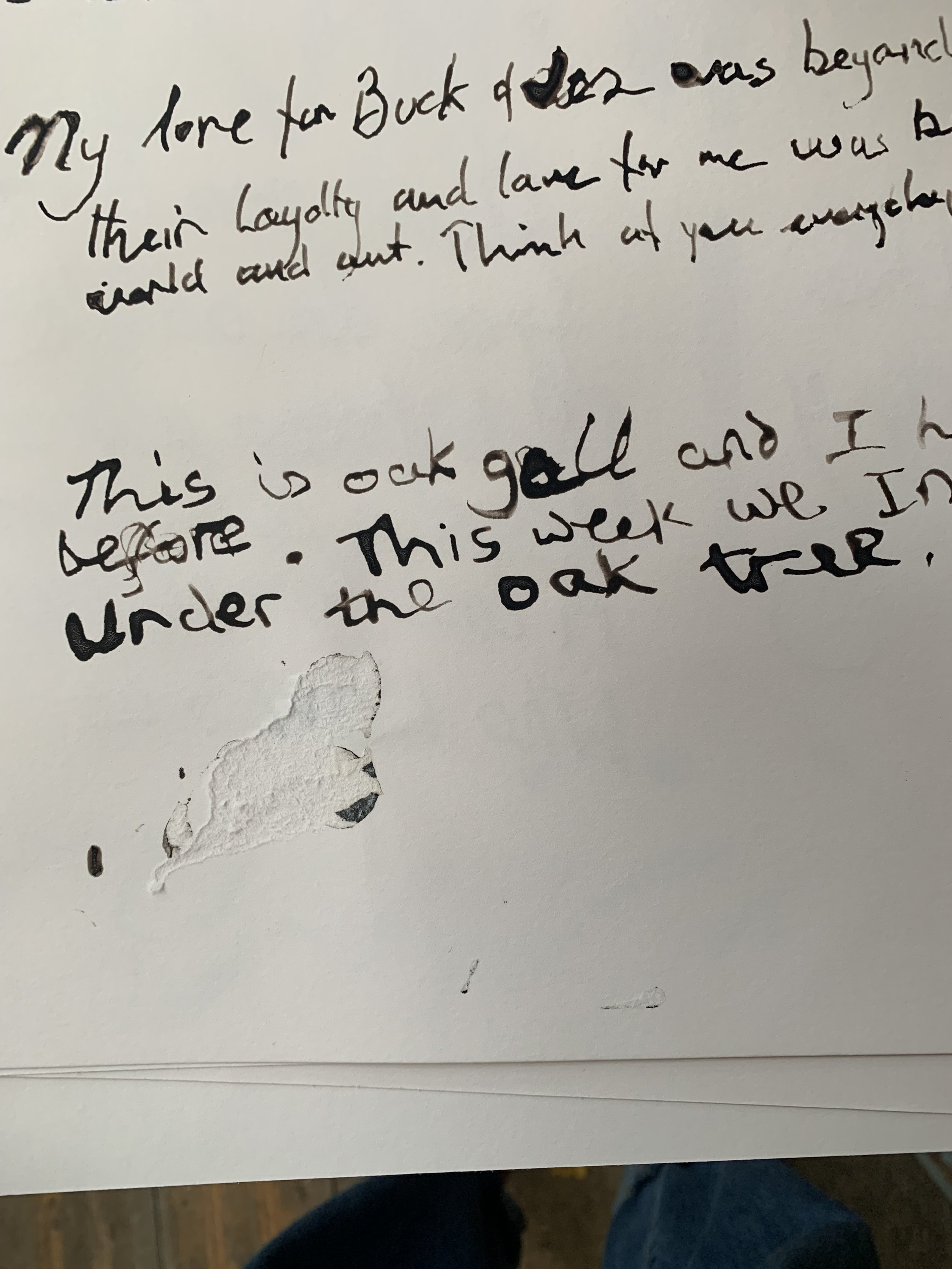
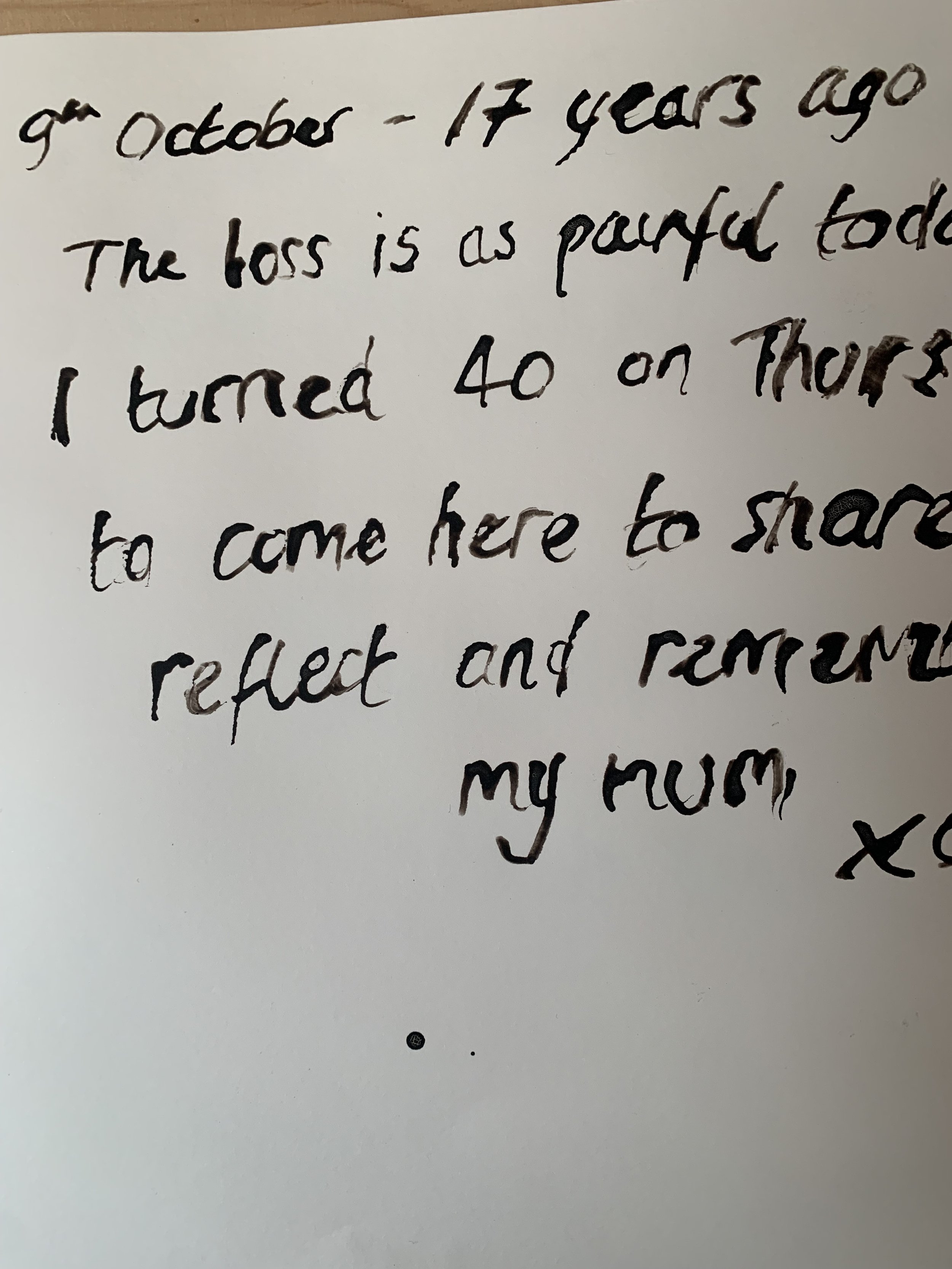
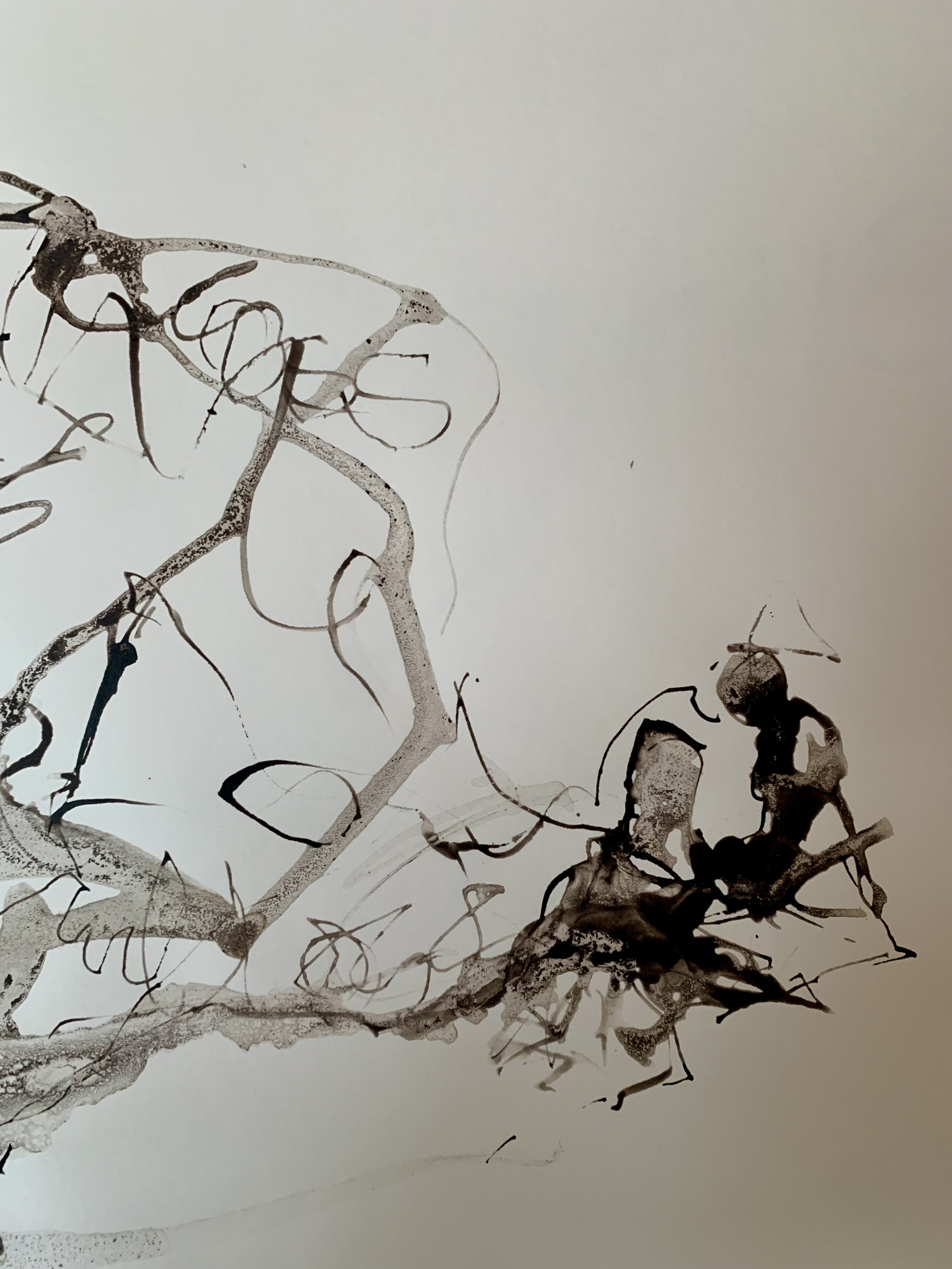
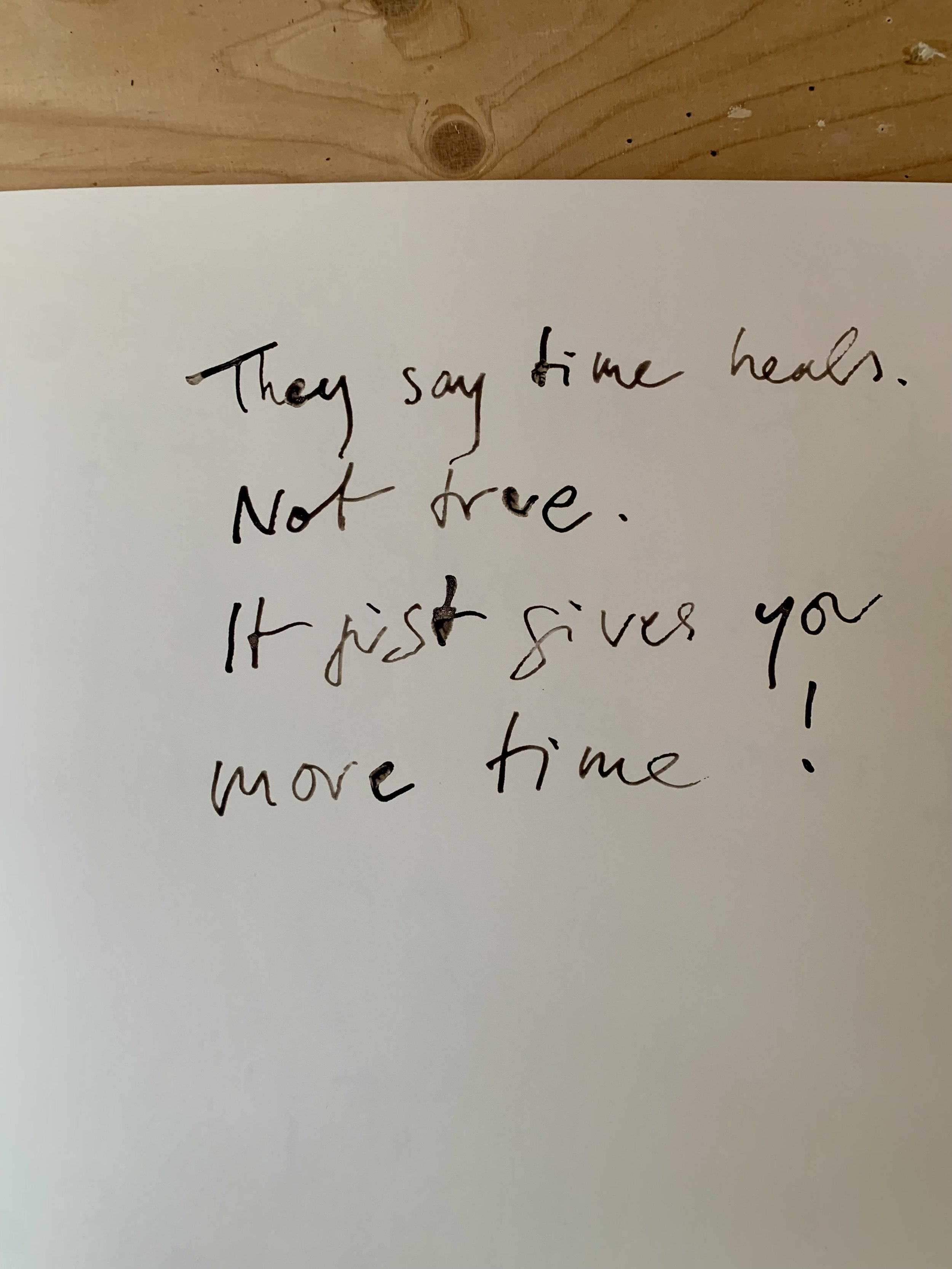
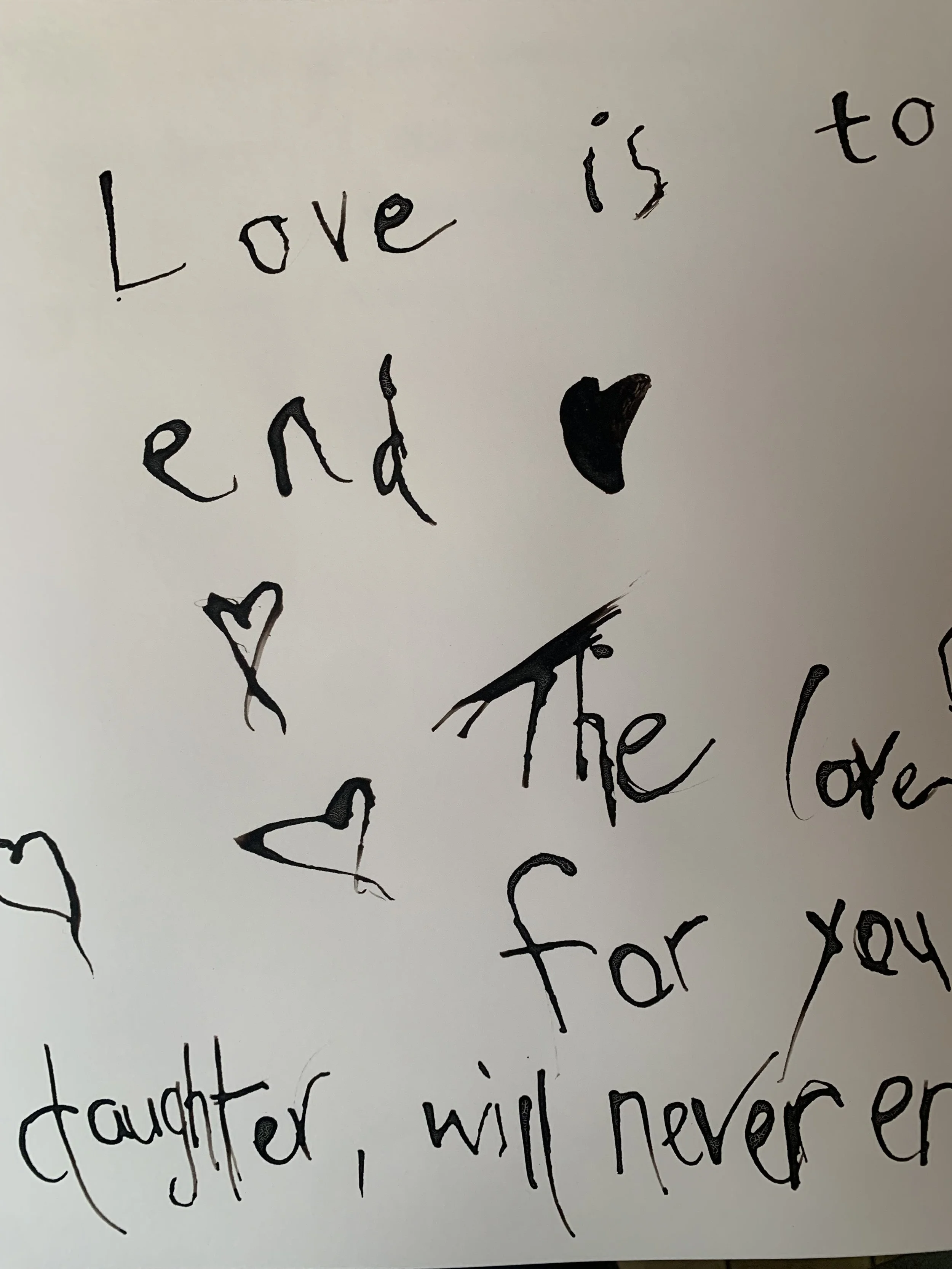
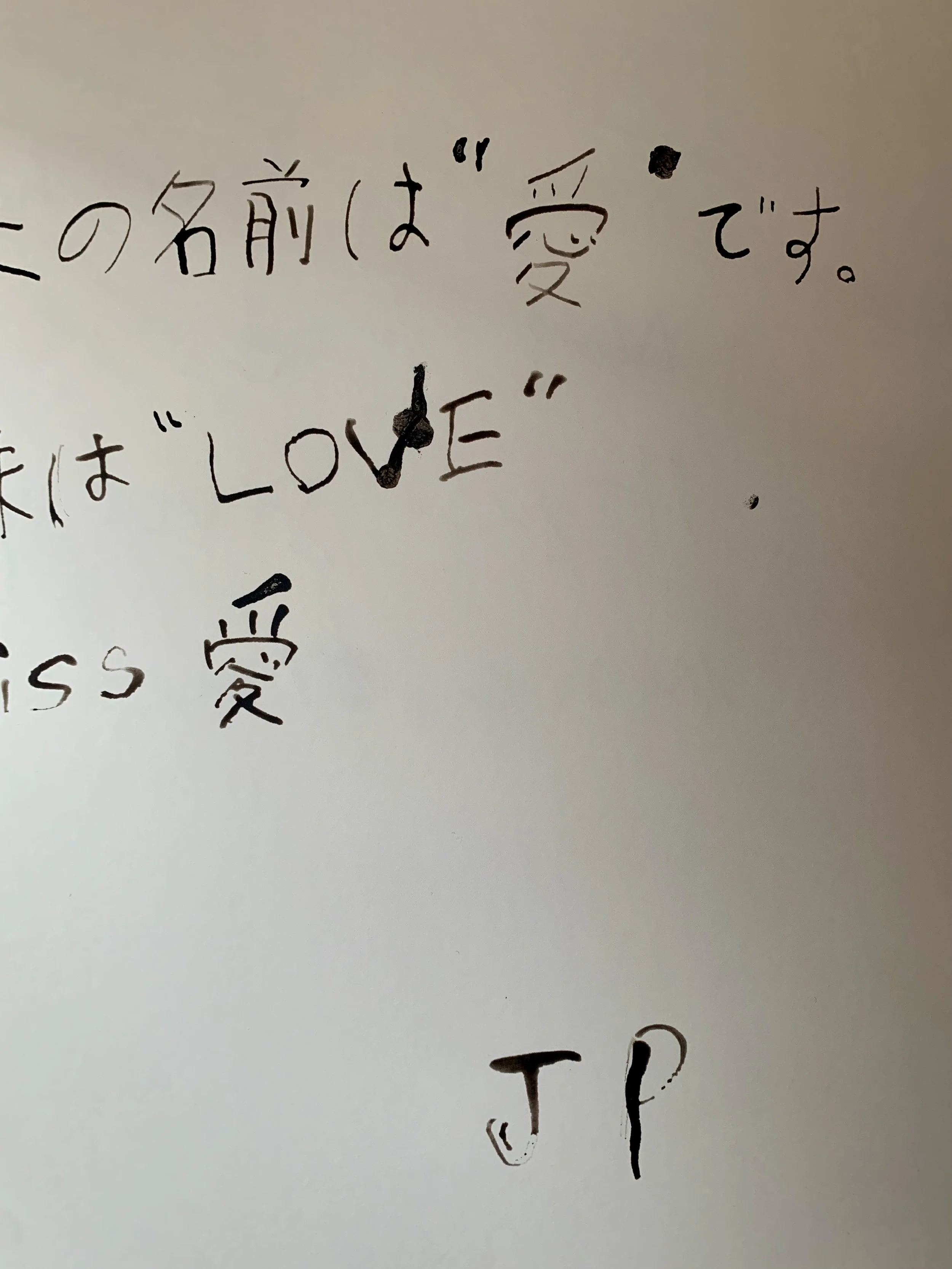
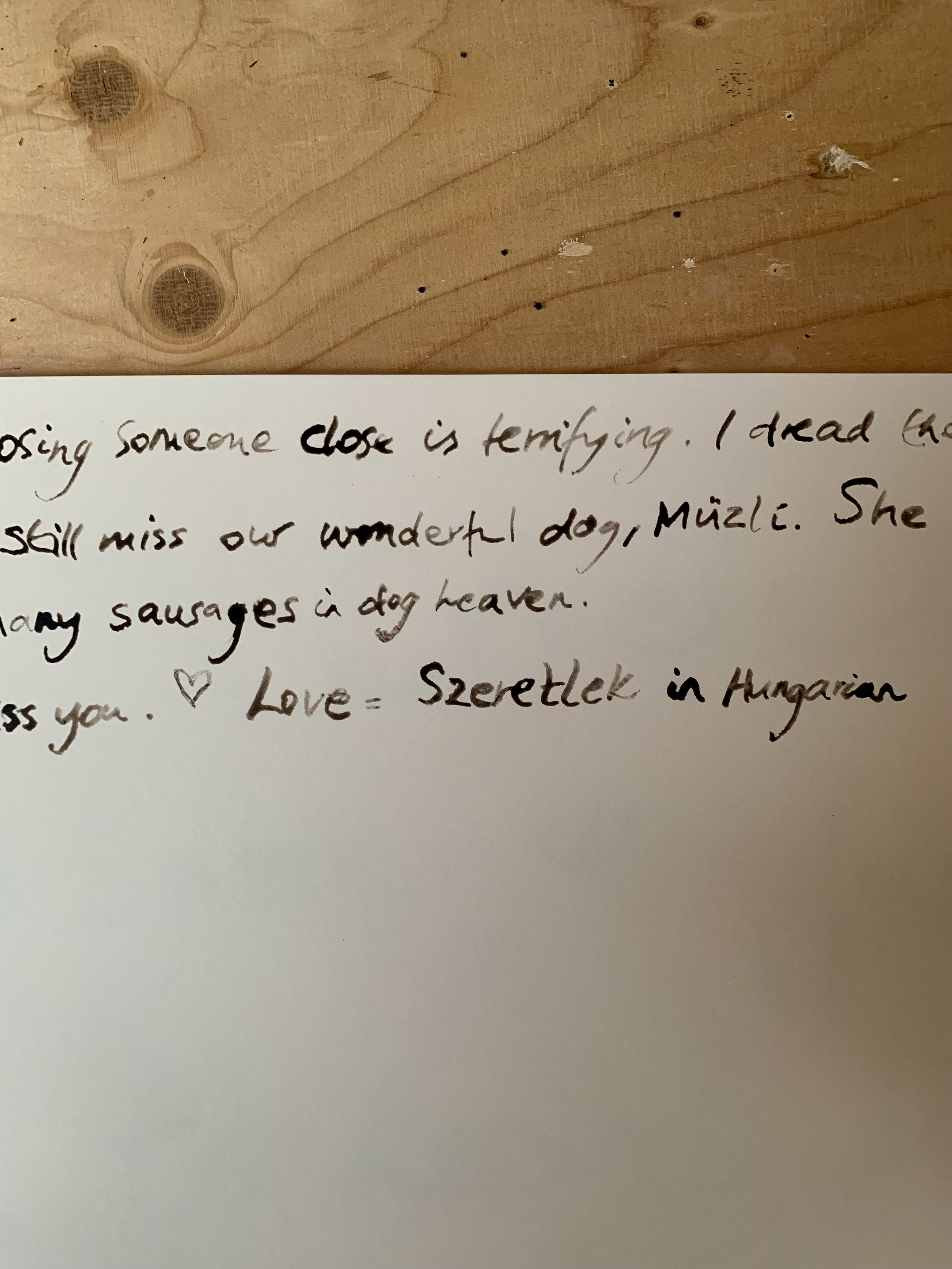
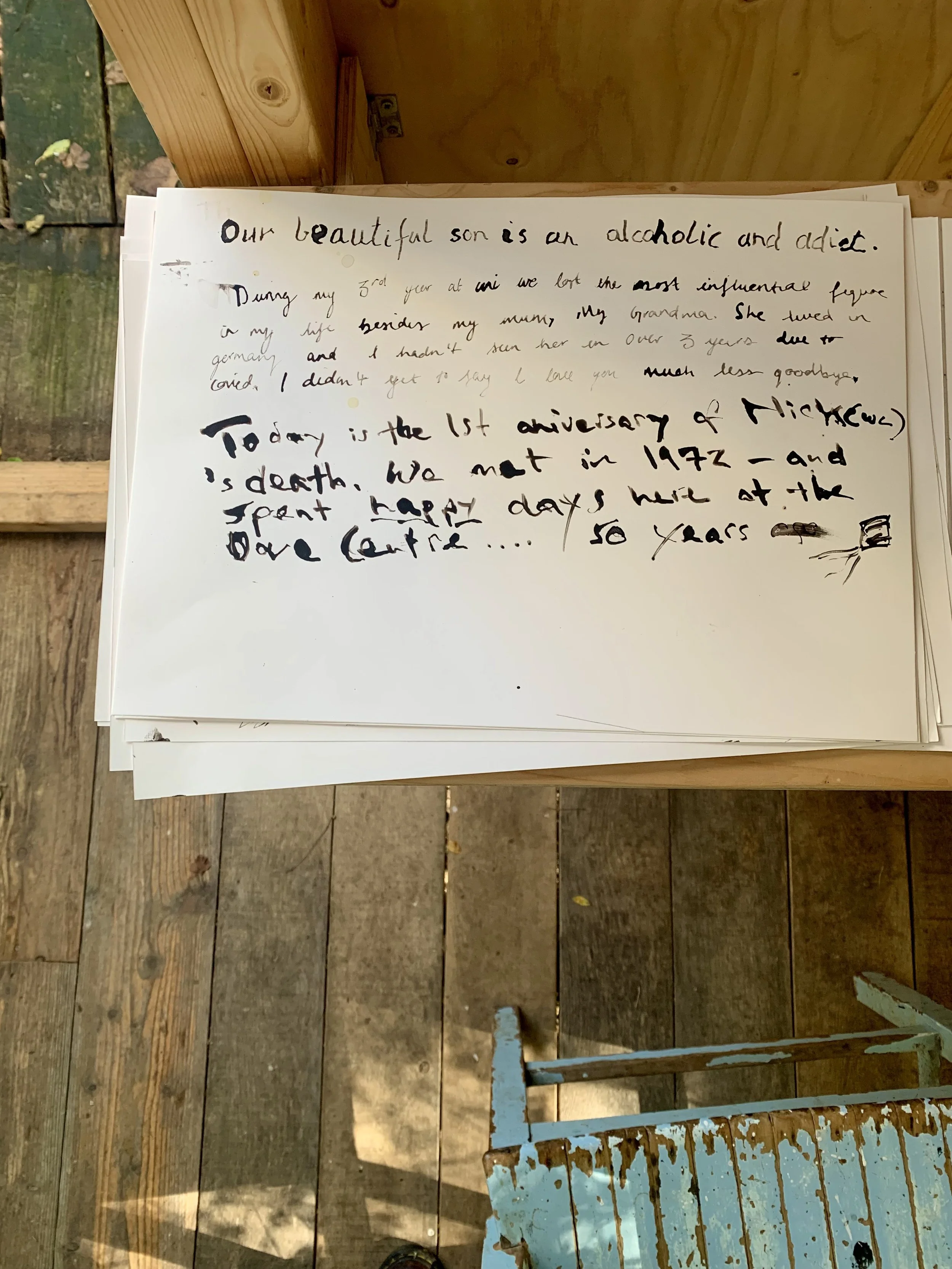
Visitor contributions to The Book of Love and Loss.